







How to Apply Mascara: Application from Lash Root to Tip
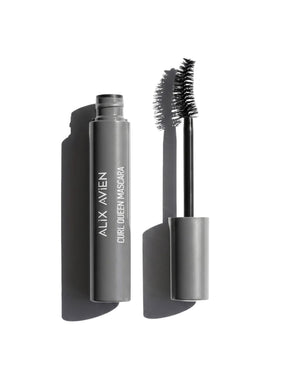
Mascara is applied by placing the brush at the lash roots and wiggling it side to side in small motions as you pull it toward the tips. Holding it at the base for 2-3 seconds darkens the lash roots and opens up the eyes. The second coat is applied within about 20-30 seconds, before the first coat has dried; a coat added after drying clumps.
Pumping the brush when taking it out of the tube doesn't pick up extra product; it pulls in air and makes the mascara dry out faster. Instead, twist the brush at the mouth of the tube as you pull it out. Holding the tip of the brush vertically on the lower lashes keeps product from smudging under the eye. For different brush types, see the mascara collection.
How to Use Eye Pencil
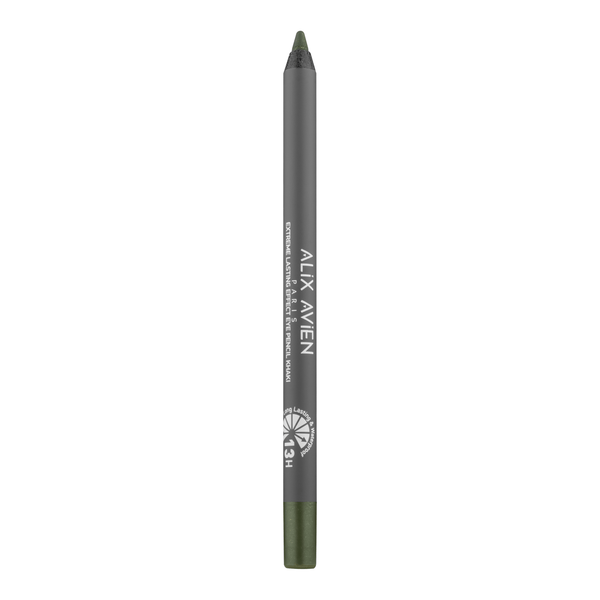
Eye pencil is applied in small, broken strokes to fill in the gaps at the lash roots, not as one long line. Warming the tip of the pencil in your palm for 10 seconds softens the creamy texture and means less pressure is needed. Extreme Lasting Effect Eye Pencil delivers 13 hours of wear used this way.
Drawing the pencil along the inner part of the lash line, the waterline, intensifies the eyes but slides off faster during the day; waterproof formulas last longer in this area. Since a dark color on the lower line can make the eyes look smaller, using the pencil only on the outer third there, rather than as a full line, gives a more balanced result.
How to Apply Gel Eyeliner
Gel eyeliner is applied not with the eye fully open, but with the lid gently pulled taut and your gaze directed downward. The line is started from the middle of the eye outward, then completed toward the inner corner; drawing from end to end in one go causes shaking. With its matte finish, Gel Liner leaves no shine even in a thick line.
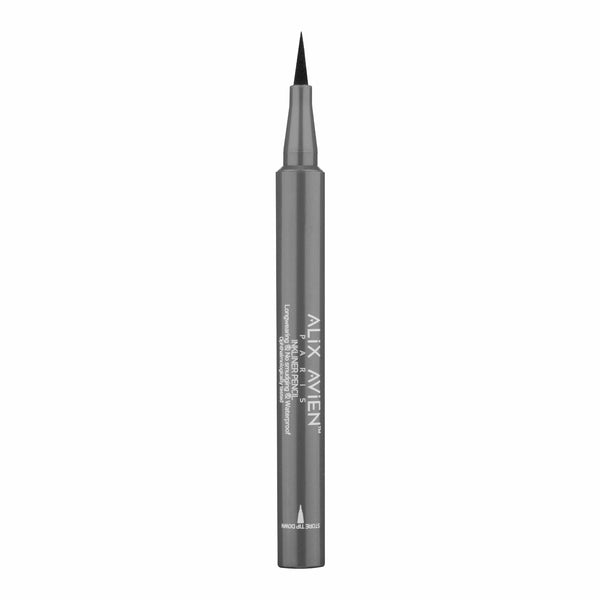
A practical reference for the wing angle is the imaginary extension of the lower lash line from the outer corner toward the temple. A wing that follows this line elongates the eye without distorting its shape. For those who want a more controlled, thinner line, Inkliner Eyeliner is an in-between option with a soft tip.
What Does Eye Primer Do?
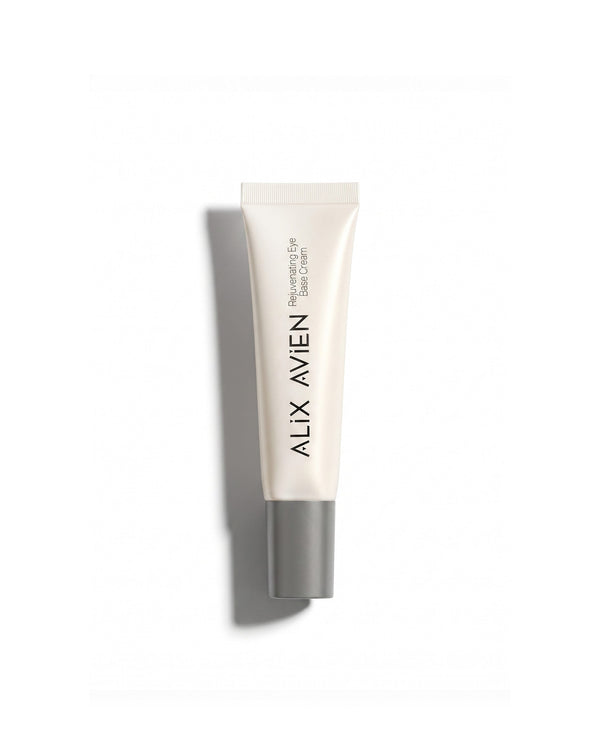
Eye primer balances the oil layer on the lid and creates a smooth surface for the product on top to grip. This way, color doesn't collect in the crease of the lid and pencil slides less during the day. Because the eye base cream with hyaluronic acid also moisturizes the lid, it reduces the risk of creasing on dry skin.
Which Eye Pencil Is Right for Which Finish?
Pencil choice depends on the finish you want: a firm-tipped pencil gives a thin, sharp line, a soft-tipped pencil gives a smudgeable line, and a gel formula gives a thick, matte line. A shimmer pencil is for accent, not lining, and is usually used on the inner corner or along the lower lash line.
- Thin everyday line: firm-tipped long-wear pencil, only at the lash roots
- Smudged line: soft-tipped pencil, blended out within 30 seconds
- Thick, sharp line: gel formula, with a fine-tipped brush
- Shimmer accent: holographic pencil, inner corner or lower line
To compare all tip types, the eye pencil collection shows the options in one list.
Why Does Eye Makeup Break Down During the Day?
The first reason for breakdown is oil on the lid. Without primer, creamy products collect in the crease within 3-4 hours. The second reason is layer order: if a powder color doesn't go over a creamy product, the line slides. The third reason is using a non-waterproof formula in humid weather.
If you're working with color, placing the light shade on the center of the lid and the dark shade on the outer corner with a product like the quad palette is the longest-lasting arrangement. To see the step order and the full routine, see the Eye Makeup Routine page.
What Products Are in the Perfect Eyes Set?
The set includes two eye pencils, a gel eyeliner, a holographic shimmer pencil, a quad palette and an eye base cream. So the prep, line and color steps are gathered in one routine, and none of the six products duplicates another's job. It's a good starting point for anyone who wants to try long-wear formulas together. The advantage of trying this routine together instead of buying items one by one is being able to compare and see which tip type suits your hand.