





How to Choose a Nude Lipstick: Shade Range Based on Your Lip Color
Nude lipstick is chosen not by skin tone but by the natural color of your lips: the right shade is one step lighter or darker than your lip color. The same beige shade looks natural on fair skin and washed out on deep skin. When the reference point is off, it's not the color itself but the harmony that breaks down.
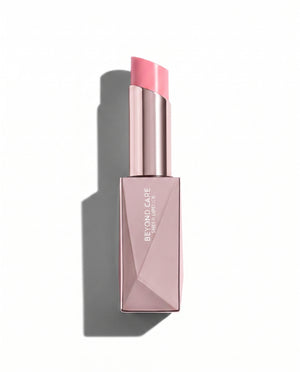
If you'd like to see finish and shade options side by side, the lipstick collection is better for comparison.
How to Tell Your Skin's Undertone
Your skin's undertone can be identified by looking at the color of the veins on the inside of your wrist: if they lean green, you have a warm undertone; if they lean purple, cool; and if neither is clear, neutral. Undertone is fixed; even if a sunburn or redness changes the surface color, this tendency doesn't change.
A second way to check is the jewelry test. If gold jewelry flatters your face more, that points to warm; if silver looks better, cool. If both tests give the same result, the decision is safe.
Where Does Nude Shift on Warm and Cool Undertones?
On warm undertones, nude shifts toward caramel, cinnamon, peach and apricot. On cool undertones, dusty rose, cool beige and purple-leaning shades sit well. Because a neutral undertone can carry both families, the range of choices is noticeably wider.
- Warm undertone: caramel, cinnamon, peach
- Cool undertone: dusty rose, cool beige, mauve beige
- Neutral undertone: both families work
The right depth goes down as the skin gets deeper. On fair skin, one step above your lip color usually lands around rose beige; on medium skin, cinnamon and dusty rose, and on deep skin, caramel and chocolate do the same job.
Why Does a Nude Shade Make You Look Washed Out?
If a nude shade makes you look washed out, the reason is usually not the product but the skin and color being different temperatures. Warm caramel on cool-undertoned skin, or mauve beige on warm-undertoned skin, cancel each other out and the face reads as tired.
The second reason is the depth level. When the shade is too light, the lips look erased. A quick check: does the color look faded on the lips, or does it look like a continuation of the lips?
A third factor is the contrast between skin and lips. On skin evened out with concealer, a nude shade looks even flatter; in that case, a little added radiance on the cheeks pulls the face together without changing the lipstick shade.
How to Match Lip Liner in Nude Makeup
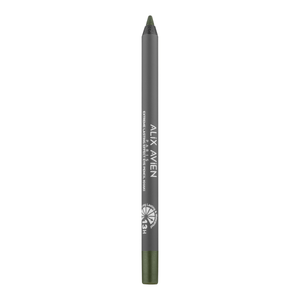
Lip liner is matched not exactly to the lipstick shade but within half a shade at most. When the liner is darker than the lipstick, the outline shows; when it's lighter, the lip edge disappears. That's why it's no coincidence the set includes two separate pencils.
The long-lasting lip pencil works with matte and dry finishes, while the highly pigmented moisturizing lip liner works more comfortably on dry lips. The difference between the two is covered in detail on the lip liner page.
The pencil is lightly brushed not just along the edge but also inward toward the center of the lips. That way, when the color wears off the center during the day, the pencil layer underneath doesn't leave a harsh edge and the transition stays soft.
How to Coordinate Blush and Lip Shades
Harmony comes when blush and lip shades are kept in the same temperature family. When the cheeks are on the warm side and the lips on the cool side, the face looks like it's wearing two separate makeup looks. Harmony isn't built with a single product but in how three points relate to each other.
With a saturated product like a highly pigmented powder blush, a mismatch is noticed faster. Because baked blush can be used wet or dry, it lets you adjust intensity gradually; a satin-finish lipstick can also be layered with the same gradual logic.
Where Should You Test Nude Shades?
Test nude shades on your lips or fingertip, not on the back of your hand; the color of the back of the hand is different from your face and lip color. The second rule is not to stick to a single shade: because skin darkens with sun, the same product reads differently at different times of the year.
Keeping a two-shade range solves this problem. If you're looking for a simple routine built on texture rather than shade, the No Makeup Makeup Set approaches the same simplicity from a different angle.