









Where Does Highlighter Go? The Points Where Light Sits on the Face
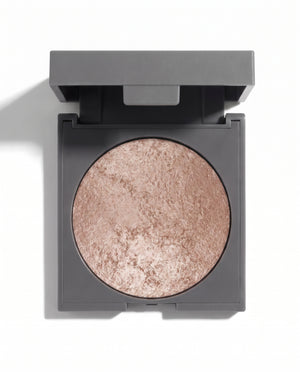
Highlighter goes on the high points of the face where light naturally falls: the top edge of the cheekbone, under the brow bone, the center line of the bridge of the nose, the Cupid's bow and the tip of the chin. These five points are done in 30 seconds. The center of the forehead and the sides of the nose are left out, since they're already shiny areas.
What decides placement isn't your face shape but your own bone structure. When you turn your head slightly side to side in front of the mirror, the places that catch the light first are where the highlighter goes. The under-eye area isn't on this list: shimmer applied there emphasizes fine lines. The neck and collarbone are two extra points often chosen for evening wear.
How to Use Highlighter: Application for Liquid, Stick and Powder
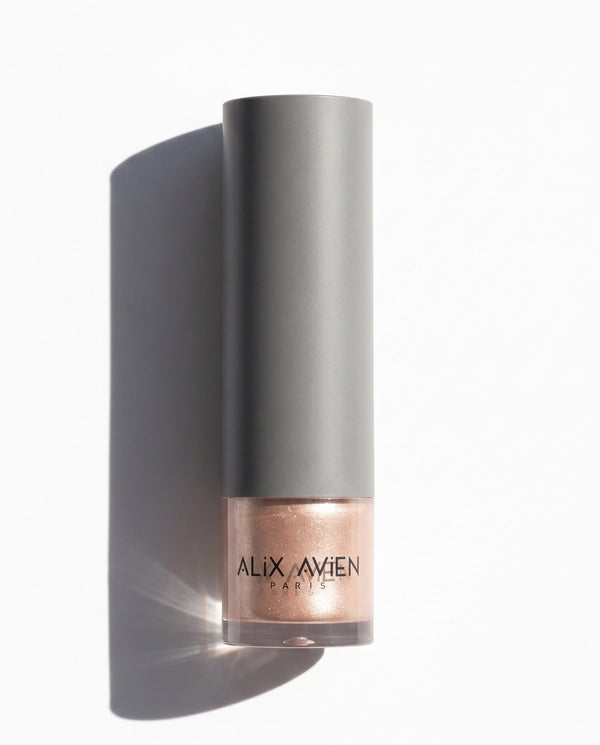
Highlighter is used at a different point in the order depending on its texture. Liquid and stick highlighters go over foundation, before the powder step; powder highlighter is left for last. With a liquid product, 1-2 drops are enough; with a stick, a single short stroke, and the edges are blended out within 10 seconds.
The blending direction also changes the result. Carrying the glow up from the top of the cheekbone toward the temple lifts the face, while spreading it downward brings the light to the middle of the cheek and widens the face. Blending the edges with a clean finger or the narrow tip of a sponge keeps the edge from showing.
What Does Highlighter Do?
Highlighter doesn't add color to the face; it brings certain areas forward by reflecting light back from specific points. While foundation and powder even out the skin, they also flatten the skin's natural play of light, and highlighter brings that dimension back. Even a reflection on 1-2 points of the surface is enough to make the face look lively.
Its second function is dimension. Light brings forward the surfaces it hits, while shadow pushes them back; that's why a reflection placed on the top edge of the cheekbone makes that bone look more defined. The same logic applies to the bridge of the nose: a thin line makes the nose look straight and long, while a wide reflection does the opposite.
Which Highlighter Texture Suits Which Skin Type?
Liquid and creamy stick highlighters work better on dry skin, and powder highlighter on oily skin. Dry skin doesn't hold powder, and it sits like dust on the texture; on oily skin, a creamy glow slides during the day and blends into shine.
- Dry skin: liquid highlighter, which can also be mixed into foundation
- Oily skin: powder texture, a thin layer only on top of the cheekbone
- Combination skin: creamy stick, with a very small amount of loose powder on top
- Skin with visible pores: a finely milled product, avoiding chunky glitter
To see all the textures side by side, the highlighter collection gives you one list.
How to Apply Stick Highlighter
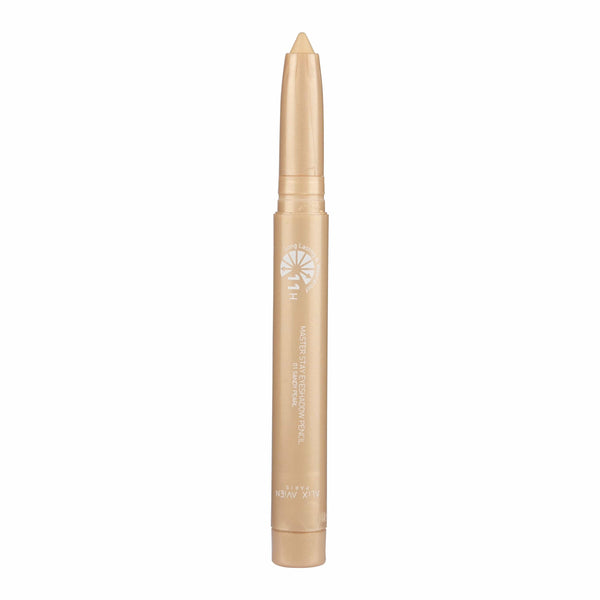
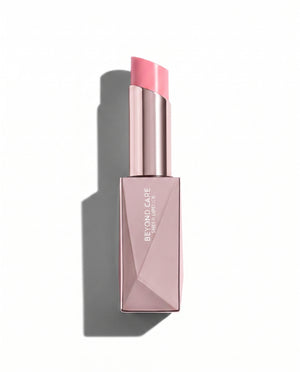
Stick highlighter is pressed onto the top of the cheekbone in a single stroke about an inch long, and the edges are blended out with your fingers. Because it goes straight from the packaging to the face, no tool is needed and the amount is adjusted by the length of the stroke. With its creamy texture, Stick Highlighter sits over foundation without slipping.
A common mistake with the stick format is forgetting to blend after swiping the product on. Because the creamy texture comes out of the packaging as a thick strip, it leaves a sharp shiny band if it isn't blended. The warmth of your finger softens the texture, so you don't need a separate brush for this.
How to Use Highlighter on the Body
On the body, highlighter is applied where the bone is closest to the skin, such as the tops of the shoulders, the collarbones and the fronts of the legs. With a liquid format, taking 3-4 drops in your palm and spreading them over a wide area looks more natural than concentrating it on one spot. The 30 ml size is plenty for this use.
On the body, you use more product than on the face, but the placement rule stays the same: light sits on the bone, not on muscle or soft tissue. Mixing it with moisturizer and spreading it in a thin layer gives a more balanced result than leaving a shiny area concentrated on one spot.
Who Is the Catch the Glow Set For?
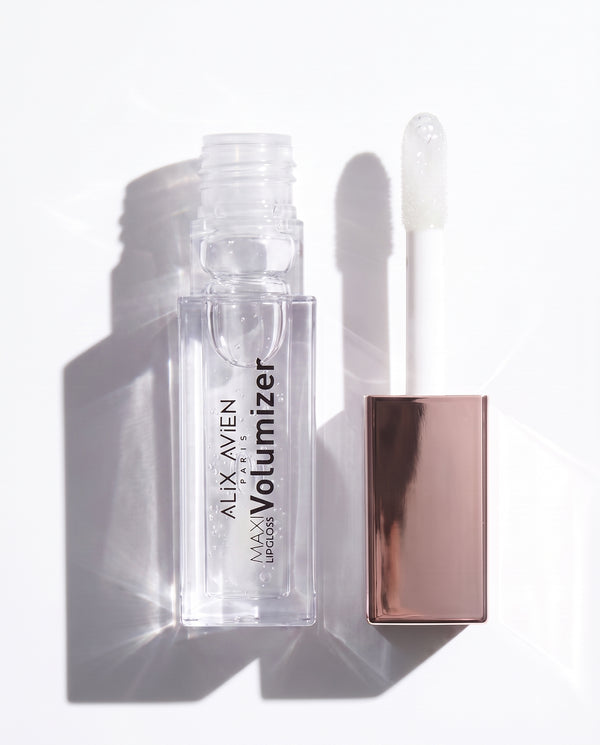
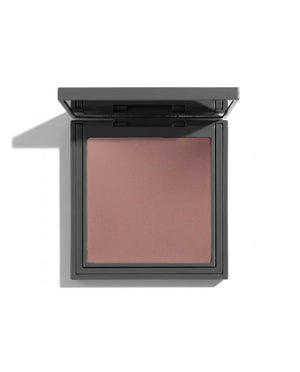
The set is for anyone who wants to build glow not with a single product but across three different areas of the face: highlighter and a satin-finish stick blush on the cheeks and cheekbones, a creamy eyeshadow pencil on the eyes, and a shimmering lip gloss on the lips. For those who want to balance light with shadow, there's the Sculpt & Glow Set, and to compare all the routines, the Routines & Sets page.