




How to Use Concealer: Application That Adjusts the Level of Coverage
After foundation, concealer is placed in small amounts only on the spots still showing through and pressed in within 10-15 seconds. Press it in, don't swipe it; swiping spreads the product sideways and cuts coverage in half. Two thin layers give both more coverage and more staying power than one thick layer.
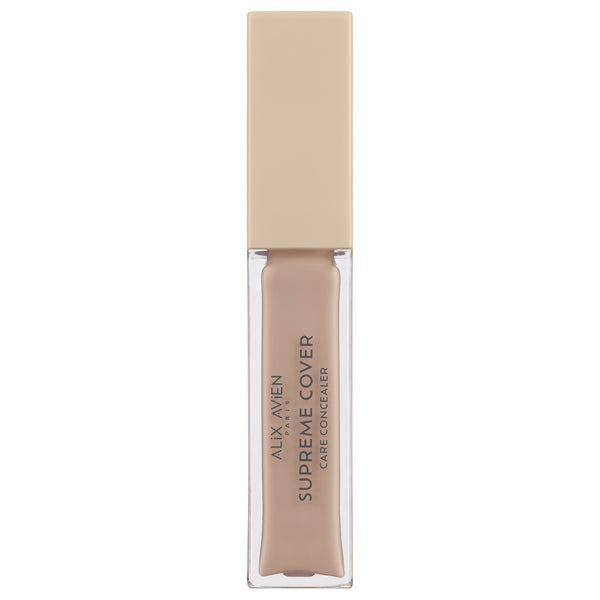
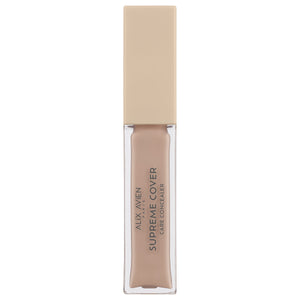
With a highly pigmented product like Supreme Cover Concealer, the decision about amount comes before the decision about shade. Taking one look in the mirror after foundation to see which spots are really still showing often cuts the amount of product you use in half.
What Is Coverage Level?
Coverage level describes how much a product hides the color underneath, and it's usually thought of in three tiers: sheer, medium and full. Sheer coverage evens out tone, medium coverage softens redness and full coverage conceals noticeable spots. The right choice lies in the area, not the product.
The forehead and the side of the nose don't need the same level of coverage, and the under-eyes and jawline don't take the same finish. So the real question isn't which product covers more, but how much coverage you want on which area of the face. In most cases, it's enough to adjust the level not by changing products but by changing the number of layers of the same product.
Foundation or Concealer First?
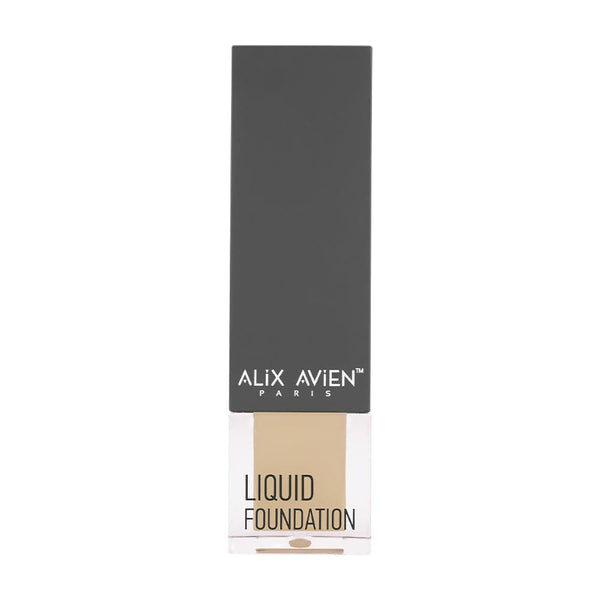
Foundation goes on first, concealer after. When concealer goes first, the liquid foundation on top moves it out of place, the two layers blend together and coverage is lost. When foundation goes on first, what's left to do usually comes down to 2-3 small spots.
The only exception is color correcting. A tinted layer used to neutralize noticeable redness can go on before foundation, because its job isn't to cover but to balance the color underneath. Otherwise, the order is fixed: primer, foundation, concealer, setting. Leaving 20-30 seconds between each step keeps the layers from mixing.
Which Coverage Level Is Right for You?
If there's no noticeable color unevenness, sheer coverage is enough; for redness or dark circles, medium coverage; and for healing blemishes, full coverage. The way to build up the level isn't a darker product but a second thin application of the same product.
- Sheer coverage: primer and foundation only, no concealer
- Medium coverage: spot concealer on the sides of the nose and under the eyes, over foundation
- Full coverage: two thin layers of spot concealer, topped with a thin layer of loose powder
- Staying power on oily skin: a setting step is added at every level
To compare individual options, the concealer collection brings all coverage levels together in one list.
How to Use Loose Powder
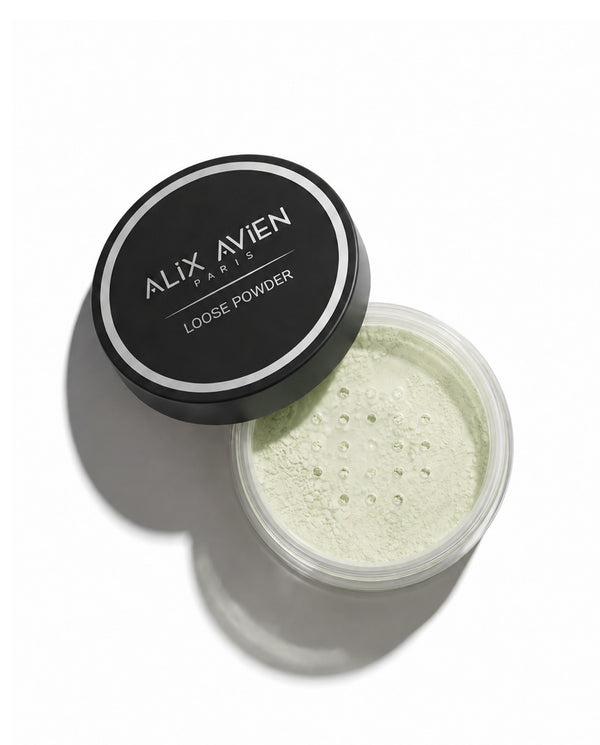
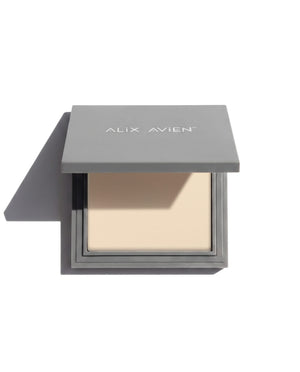
Loose powder doesn't add coverage; it holds the existing layer in place. That's why it isn't applied all over the face, only to the areas that actually get oily: the forehead, nose and around the chin. With finely milled products like color correcting loose powder, tapping off the brush first prevents buildup.
Leaving the cheekbones and temples with foundation's own finish is the one distinction that decides whether makeup looks like a mask. Mattifying the whole face makes skin look flat and lifeless. If you'll repeat the setting step during the day, lifting excess oil with a clean tissue and then passing a very thin layer of powder over it gives a cleaner result than adding a second thick layer to the same areas.
Why Does Concealer Crease Under the Eyes?
Creasing under the eyes comes from a thick layer. As a thick layer dries, it contracts within itself and cracks with facial movement. Allowing 20-30 seconds of drying time between two thin layers eliminates this problem. The second cause is pressing more powder than needed onto the mobile under-eye area.
The prep side of the base step matters too: when a water-based primer fills in pores and fine lines, the layer on top doesn't settle into the dips. For a detailed look at how primer and foundation work together, see the Flawless Base Set page.
What Products Are in the Perfect Base Set?
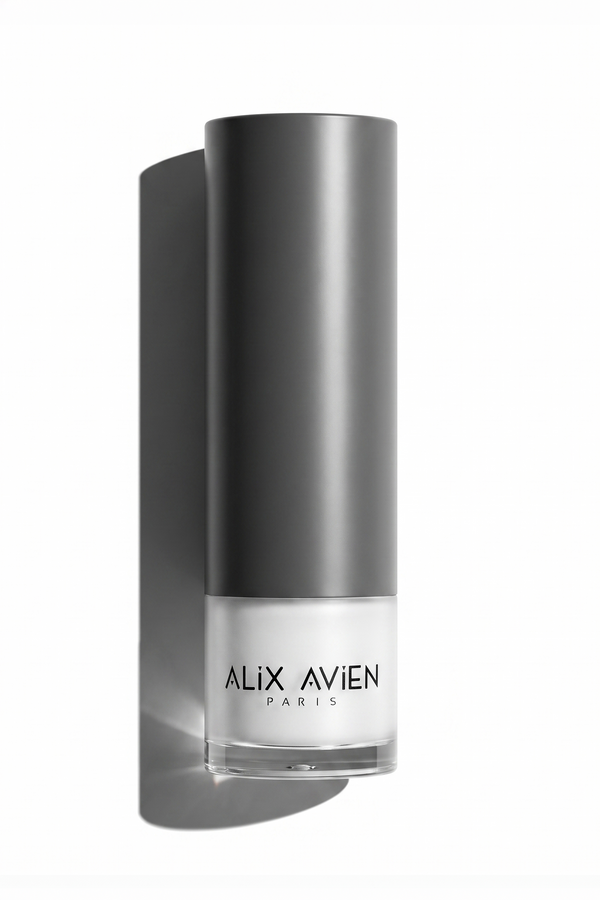
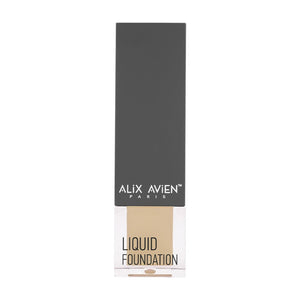
The set includes four products — primer, liquid foundation, spot concealer and loose powder — and each takes on a different tier of coverage; none carries the whole load alone. To see the application order, tool choice and waiting times from start to finish, the Flawless Skin Routine page is the place to go, and to compare all the routines, the Routines & Sets page.